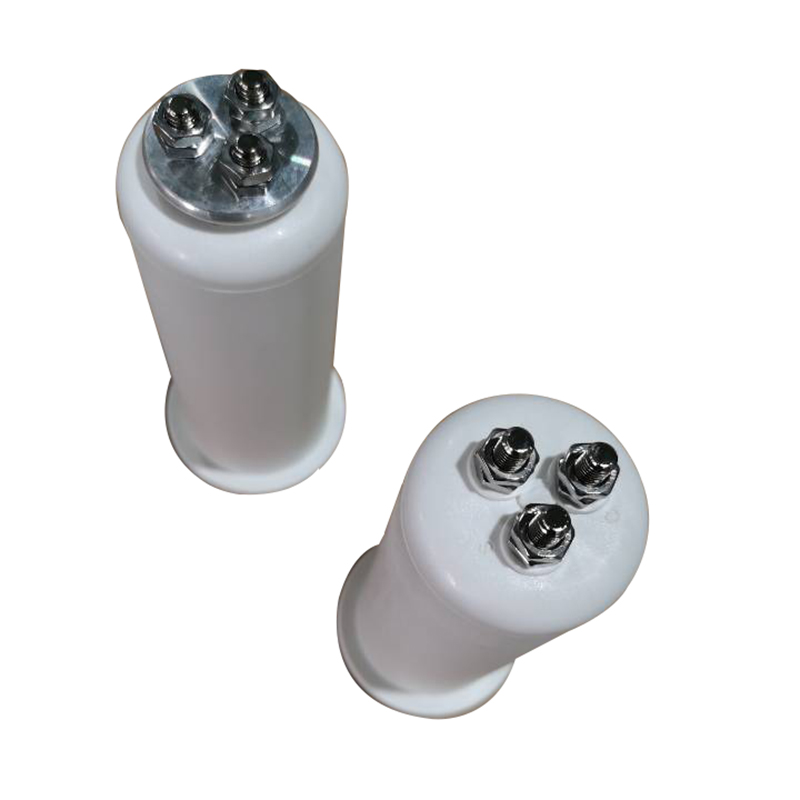
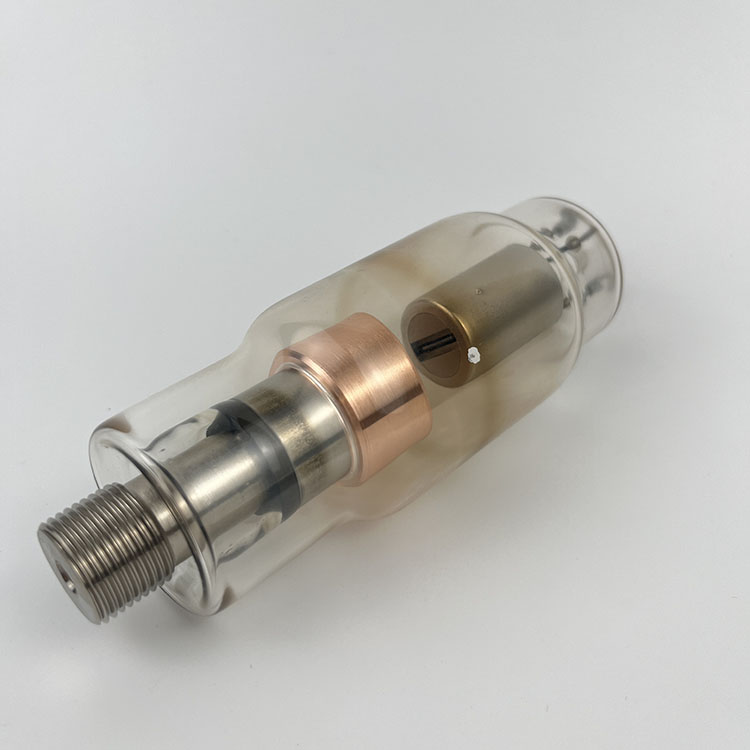
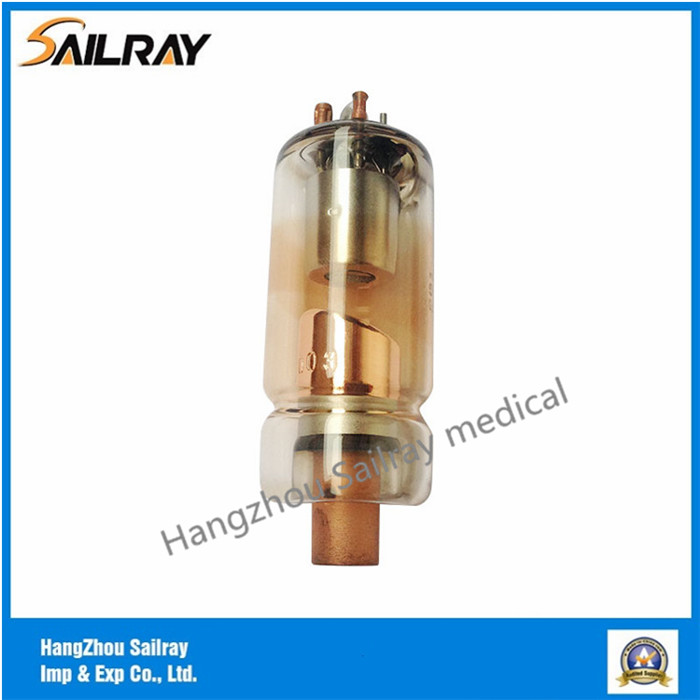
**Advancements in X-Ray Technology: The Role of Stationary and Rotating Anodes**X-ray technology continues to be a cornerstone in medical diagnostics, industrial inspection, and scientific research. Central to the performance of X-ray tubes are the anode types—stationary anodes and rotating anodes—which play crucial roles in determining the efficiency, durability, and quality of X-ray production. This article delves into the characteristics, advantages, and applications of stationary and rotating anodes, highlighting their significance in modern X-ray equipment.### Understanding Anodes in X-Ray TubesIn an X-ray tube, the anode serves as the target for electrons emitted by the cathode. When these high-speed electrons collide with the anode material, X-rays are produced through the deceleration process called bremsstrahlung, as well as characteristic radiation from the target atoms. The anode must withstand intense heat generated during this interaction, making its design critical to the tube's performance.There are primarily two types of anodes used in X-ray tubes: stationary anodes and rotating anodes. Both designs address the challenge of heat dissipation differently and are suited for distinct applications.### Stationary Anodes: Simplicity and DurabilityStationary anodes, as the name suggests, are fixed targets made typically from tungsten or tungsten alloys. These anodes are simpler in construction, featuring a solid target surface where electron bombardment occurs. The main advantage of stationary anodes is their robustness and cost-effectiveness. They require less complex manufacturing processes, and their reliability makes them ideal for devices with lower duty cycles.However, stationary anodes have limited heat capacity. Since the target area does not move, the heat generated from the electron beam concentrates on one spot, which can lead to quicker wear or damage at high power levels. Because of this, stationary anodes are commonly used in dental X-ray units, portable X-ray machines, and other equipment where intermittent, low-intensity usage is sufficient.### Rotating Anodes: Enhanced Heat Management for High PerformanceRotating anodes represent a more advanced solution intended for high-performance applications. These anodes consist of a disc that spins at high speeds—often thousands of revolutions per minute—allowing the electron beam to strike continuously changing positions on the anode surface. This movement distributes the heat over a larger area, dramatically improving the anode’s heat dissipation capability.Materials used for rotating anode discs typically combine tungsten for its high atomic number and melting point with a molybdenum or graphite base for improved thermal conductivity and mechanical stability. The engineering involved in creating rotating anode assemblies is more complex, incorporating bearings and motor mechanisms to maintain smooth rotation under extreme conditions.The capacity to handle greater heat loads without damage enables rotating anode X-ray tubes to generate higher intensity X-rays, making them indispensable in medical diagnostic radiology, computed tomography (CT), and high-resolution industrial inspection.### Applications and Industry TrendsThe choice between stationary and rotating anodes depends on the specific requirements of the imaging system. For routine, low-volume diagnostics or portable applications, stationary anode tubes remain prevalent, offering simplicity and cost savings. Conversely, hospitals and advanced research institutions prefer rotating anode systems for their superior image quality and faster throughput, attributable to higher permissible output and better cooling.Recent advancements in materials science and engineering have further enhanced anode performance. Innovations such as improved coatings, composite materials, and optimized thermal management systems help extend tube life and improve reliability. Moreover, the integration of computerized control and monitoring systems allows for predictive maintenance, minimizing downtime and operational costs.### About [Company][Company] has long been recognized as a leader in the design and manufacture of X-ray technologies. With decades of expertise, [Company] delivers innovative solutions that leverage the strengths of both stationary and rotating anode designs. Their product portfolio spans dental imaging units, portable X-ray devices, and high-end diagnostic equipment, catering to a global clientele.Committed to quality and advancement, [Company] continuously invests in research and development to enhance the capabilities of their X-ray tubes. By combining precision engineering, rigorous testing, and a customer-centric approach, [Company] ensures that each product meets the highest standards of performance and reliability.### ConclusionStationary and rotating anodes each serve pivotal roles in advancing X-ray technology. Stationary anodes provide cost-effective, reliable options for low-intensity applications, while rotating anodes support the demanding needs of high-performance imaging with superior heat management. As technology evolves, improvements in anode design and materials promise to further refine X-ray systems, enhancing diagnostic accuracy and operational efficiency.Organizations like [Company], with their deep industry experience and ongoing innovation, are instrumental in driving these advances, shaping the future of medical imaging and beyond. Whether in a dental office or a state-of-the-art hospital, the choice of anode technology remains a fundamental factor in delivering high-quality X-ray imaging.---*For more information about [Company] and their comprehensive range of X-ray solutions, please visit their official website or contact their customer service team.*
Read More