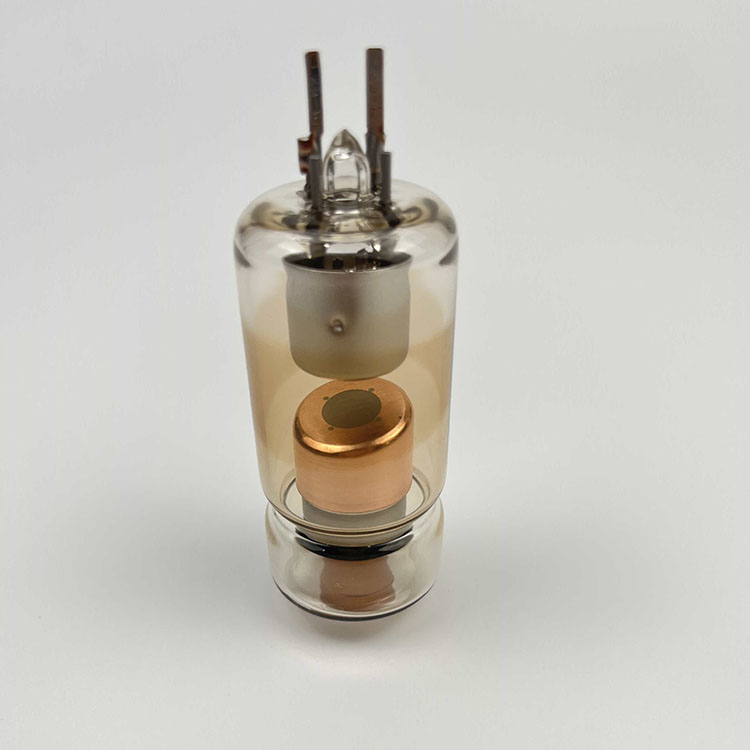
**China's X-Ray Generator Tube Industry Experiences Significant Advances Amid Growing Demand**In recent years, China's x-ray generator tube manufacturing industry has witnessed remarkable growth and innovation, positioning itself as a critical player in the global medical imaging and industrial inspection markets. With the surging demand for advanced diagnostic equipment and non-destructive testing solutions, domestic manufacturers have stepped up efforts to enhance product quality, expand production capacity, and accelerate technological breakthroughs.**Industry Growth Driven by Expanding Healthcare and Industrial Needs**The healthcare sector's rapid expansion, fueled by an aging population and increasing awareness of early disease detection, has propelled the demand for sophisticated medical imaging devices. X-ray generator tubes, fundamental components in x-ray machines, are integral to producing high-resolution images required for accurate diagnosis. Similarly, industries such as aerospace, automotive, and manufacturing rely heavily on industrial x-ray systems for non-destructive testing and quality assurance, further broadening market opportunities.China's x-ray generator tube factories have capitalized on these trends by ramping up production capabilities and diversifying product lines to cater to both medical and industrial applications. According to market estimates, the domestic production of x-ray tubes has grown steadily, reducing reliance on imports and contributing to the self-sufficiency goal outlined in national industrial policies.**Technological Innovation and Quality Improvement at the Forefront**A key factor behind the industry's success is the ongoing pursuit of technological innovation. Chinese manufacturers are investing heavily in research and development to enhance the performance, reliability, and lifespan of x-ray generator tubes. Advanced materials, improved vacuum technologies, and more precise manufacturing processes are being employed to produce tubes capable of delivering high-frequency output with minimal energy loss.In addition, efforts to meet international quality standards have led to the adoption of stringent testing protocols and certification processes. These measures have boosted confidence in Chinese x-ray tubes among both domestic and overseas customers, helping to open new export markets.**Company Introduction**As one of the leading manufacturers in this sector, [Company Name] has played a pivotal role in driving industry advancements. Established in [Year], the company has grown from a modest factory into a comprehensive enterprise specializing in the design, production, and distribution of high-performance x-ray generator tubes.Through substantial investments in modern production facilities and state-of-the-art R&D centers, [Company Name] has developed a broad portfolio of products catering to various medical imaging systems and industrial inspection equipment. The company's commitment to innovation is reflected in several patented technologies that enhance tube efficiency and durability.With a dedicated quality control team and rigorous inspection systems, [Company Name] ensures that every x-ray tube leaving the factory complies with international standards such as ISO and CE certification. This focus on quality has earned the company a solid reputation and strengthened partnerships with leading medical device manufacturers both within China and overseas.**Expanding Market Reach and International Cooperation**The competitive landscape of China's x-ray generator tube industry continues to evolve as companies like [Company Name] seek to expand their presence globally. Strategic initiatives include forming collaborations with international research institutions, participating in global industry exhibitions, and establishing after-sales service networks in key regions.These efforts have not only enhanced brand recognition but also facilitated technology exchange, enabling continuous product improvement and adaptation to diverse market requirements. The growing export volume underscores the increasing acceptance of Chinese x-ray tubes on the international stage.**Challenges and Future Outlook**Despite impressive progress, the industry faces challenges such as rising raw material costs, stringent regulatory environments, and intense competition from well-established global players. To maintain momentum, manufacturers must navigate these hurdles by optimizing supply chains, enhancing innovation capabilities, and focusing on customer-centric solutions.Looking ahead, the integration of digital technologies, such as IoT-enabled monitoring and artificial intelligence-driven diagnostics, presents promising opportunities for next-generation x-ray generator tubes. By aligning product development with these trends, Chinese manufacturers are poised to deliver smarter, more efficient imaging components that meet the future needs of healthcare and industry.**Conclusion**China's x-ray generator tube factories have demonstrated notable achievements in scaling production, improving quality, and fostering innovation. Supported by robust domestic demand and increasing export potential, the industry stands at a critical juncture to further consolidate its position in the global market. Companies like [Company Name] exemplify the dynamic capabilities and forward-looking vision driving this progress, contributing to advancements in medical imaging and industrial inspection technologies.As the demand for precise, reliable, and high-performance x-ray equipment continues to rise worldwide, China's x-ray generator tube industry is well-positioned to play a transformative role in shaping the future of diagnostic and non-destructive testing solutions.
Read More